
A simple, pocket‐sized instrument uses colored lights and a light sensor to measure sodium and potassium levels in blood or other fluids. By shining red or ultraviolet light through a tiny sample and reading how much light scatters, it gives quick and reliable electrolyte readings without bulky lab machines.
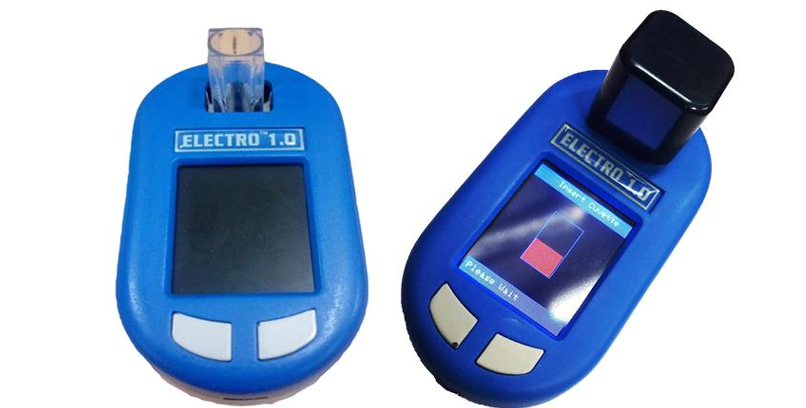
Figure 1. Front view and working of the developed optical reader
Electrolytes like sodium and potassium are vital for the human body to function properly. Imbalances can lead to serious health issues such as dehydration, kidney problems, and heart issues. However, existing machines that test electrolyte levels are expensive, bulky, and need skilled technicians. There is a clear need for a small, low-cost, and easy-to-use device that can quickly measure these levels, especially in remote or rural areas.
- Compact Portable Design: Product fits in a small enclosure, making it easy to carry and use at bedside or in remote clinics.
- Dual-Wavelength Testing: Product uses a red LED for potassium and a UV LED for sodium, enabling two tests in one device.
- Minimal Sample and Reagent Use: Product needs just a few microliters of fluid and simple chemical mixes, cutting down waste and cost.
- Quick and Accurate Readings: Product delivers results in about one minute, with over 95% agreement to standard hospital analyzers.
- Integrated Electronics and Display: Product has built-in processing and a screen to show results immediately, no extra computer needed.
A working model was built with LEDs, a light sensor, a microcontroller, and a small sample holder in a single case. It connects LEDs and sensor via simple wiring and displays results on a tiny screen. All parts fit into a box roughly the size of a paperback book.
A working prototype of the device has already been developed and tested on 200 human samples. It showed over 95% accuracy compared to commercial hospital analyzers. The final design is complete and ready for wider use, especially in point-of-care and low-resource settings.
7
By bringing reliable electrolyte testing to clinics, ambulances, and home visits, this device can speed up diagnosis of dehydration, kidney issues, and heart conditions. It lowers costs, reduces the need for specialized labs, and helps rural or emergency healthcare providers act faster, ultimately improving patient outcomes and saving lives.
- Healthcare clinics and hospitals
- Rural health centers and mobile medical units
- Emergency response and home healthcare
- Diagnostic device manufacturing industry
Geography of IP
Type of IP
202121023851
561681